
What Nobody Tells You About Algeria vs Austria Standings
Algeria and Austria finished the 2026 FIFA World Cup Group J finale with a 3-3 draw in Kansas City, Missouri, sending both nations into the knockout phase while eliminating Iran. Each team entered the...
What Nobody Tells You About Algeria vs Austria Standings
Algeria and Austria finished the 2026 FIFA World Cup Group J finale with a 3-3 draw in Kansas City, Missouri, sending both nations into the knockout phase while eliminating Iran. Each team entered the match on 4 points with a 1-1-1 record, and the result preserved that identical total after three group matches. Marko Arnautovic, Marcel Sabitzer, Sasa Kalajdzic, Rafik Belghali, and Riyad Mahrez, who scored twice, shaped a remarkable ending that changed the standings in stoppage time. Austria finished second behind Argentina, while Algeria placed third but advanced as one of the eight best third-place teams. The practical takeaway is simple: never assess Algeria national football team vs Austria national football team standings from points alone; check goal difference, third-place ranking, and the complete qualification pathway.
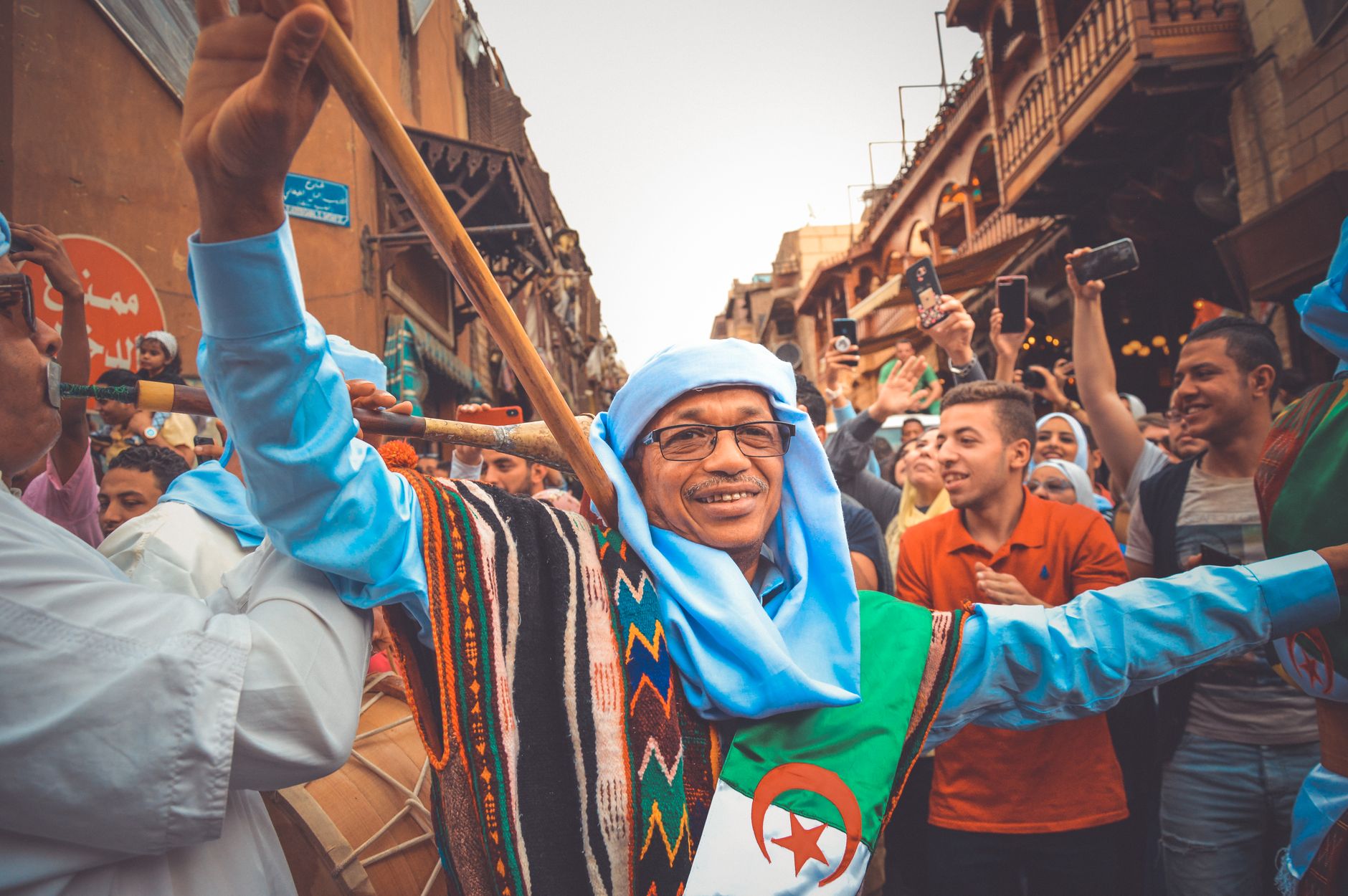
Photo by Bishoy Milad on Pexels
The image of this match is still sharp: Algeria appeared to have stolen a 3-2 victory when Riyad Mahrez scored in the 93rd minute, yet Sasa Kalajdzic headed Austria’s equalizer in the 96th minute. I’ll be honest with you, this is exactly why tournament tables punish casual readers. A single late goal did not merely change the score; it kept Austria safely alive and allowed Algeria to qualify through the best-third-place route. Football Insights follows the 2026 World Cup with match data, tactical context, and responsible pre-match analysis rather than empty confidence.
Want the wider tournament context before comparing the teams?
2026 World Cup group-stage standings guide
The Quick Comparison
| Category | Algeria | Austria |
|---|---|---|
| Group | Group J | Group J |
| Final match | 3-3 draw | 3-3 draw |
| Group-stage record | 1-1-1 | 1-1-1 |
| Points after match | 4 | 4 |
| Final group position | Third | Second |
| Qualification route | Best third-place team | Automatic knockout qualification |
| Key scorers | Rafik Belghali, Riyad Mahrez x2 | Marko Arnautovic, Marcel Sabitzer, Sasa Kalajdzic |
| Next reported opponent | Switzerland | Spain |
This table gives you the surface answer, but the surface is where inexperienced bettors and impatient analysts usually stop. Austria and Algeria both had 4 points, yet their standings meaning was not identical because Austria occupied second place and Algeria relied on the competition’s third-place ranking system. Argentina topped Group J, while Iran missed out because a win by either Algeria or Austria would have produced a different qualification calculation. The FIFA World Cup competition regulations explain why group ranking and cross-group third-place comparisons must be read together, not separately.
A useful information gain here is the “draw paradox.” Before the last whistle, a decisive result could have eliminated the losing side or changed Iran’s route into the last 32; the 3-3 draw instead created a shared benefit. That means the late tactical choices were not ordinary league-football decisions. Algeria’s 93rd-minute lead looked decisive, but Austria’s 96th-minute response restored the exact outcome both teams needed.
What did the final Algeria and Austria standings mean?
The final standings meant Austria advanced directly as Group J’s runner-up, while Algeria advanced in third place as one of the eight strongest third-placed teams. Both sides ended on 4 points from three matches, but Austria’s second-place finish gave it the more secure knockout route and a match against Spain.
The distinction matters because “qualified” and “finished higher” are separate facts. Austria’s route was settled inside Group J: one win, one draw, and one defeat produced 4 points and second place behind Argentina. Algeria also recorded 4 points, but its third-place position forced a comparison with third-placed teams from other groups. That comparison rewarded Algeria, although it offered less certainty until the wider group-stage results were confirmed.
According to the BBC match report, Kalajdzic’s 96th-minute header confirmed Austria’s progression, while Algeria also moved through as one of the eight best third-place teams. The ESPN report recorded the same 3-3 scoreline and identified Spain and Switzerland as the respective knockout opponents. “The group-stage finale became a qualification equation,” is the lesson worth remembering, even if the final whistle felt more like theatre than mathematics.
Round 1: How Did the 3-3 Draw Change the Standings?
The 3-3 draw changed the standings by giving Algeria and Austria one point each, preserving their totals at 4 points and preventing either team from losing its qualification opportunity. Austria stayed second, Algeria stayed third, and Iran was eliminated because neither side suffered the defeat required to open the best-third-place pathway further.
The score developed in six important stages:
- Marko Arnautovic put Austria ahead in the 28th minute.
- Rafik Belghali equalized for Algeria before halftime at 45 minutes.
- Marcel Sabitzer restored Austria’s advantage in the 55th minute.
- Riyad Mahrez made it 2-2 in the 60th minute.
- Mahrez scored again in the 93rd minute.
- Sasa Kalajdzic headed Austria level in the 96th minute.
Those timings expose a tactical pattern that a basic standings page will not show. Austria scored twice before Algeria found its rhythm, but Algeria’s response came through both Belghali and Mahrez, showing an increasing threat between the lines and in transition. The 93rd-minute goal should have closed the narrative; instead, Austria used Kalajdzic’s aerial presence to attack the final delivery, and that single set-piece-style moment rescued its tournament.
The contrarian conclusion is uncomfortable: Algeria’s late lead did not automatically represent the better strategic outcome. A 3-2 win would have delivered three points, but Algeria may still have faced complicated third-place comparisons, while Austria would have been eliminated. The 3-3 result protected both nations, and that is why the standings cannot be interpreted through attacking momentum alone.
See the match sequence and qualification implications in greater detail.
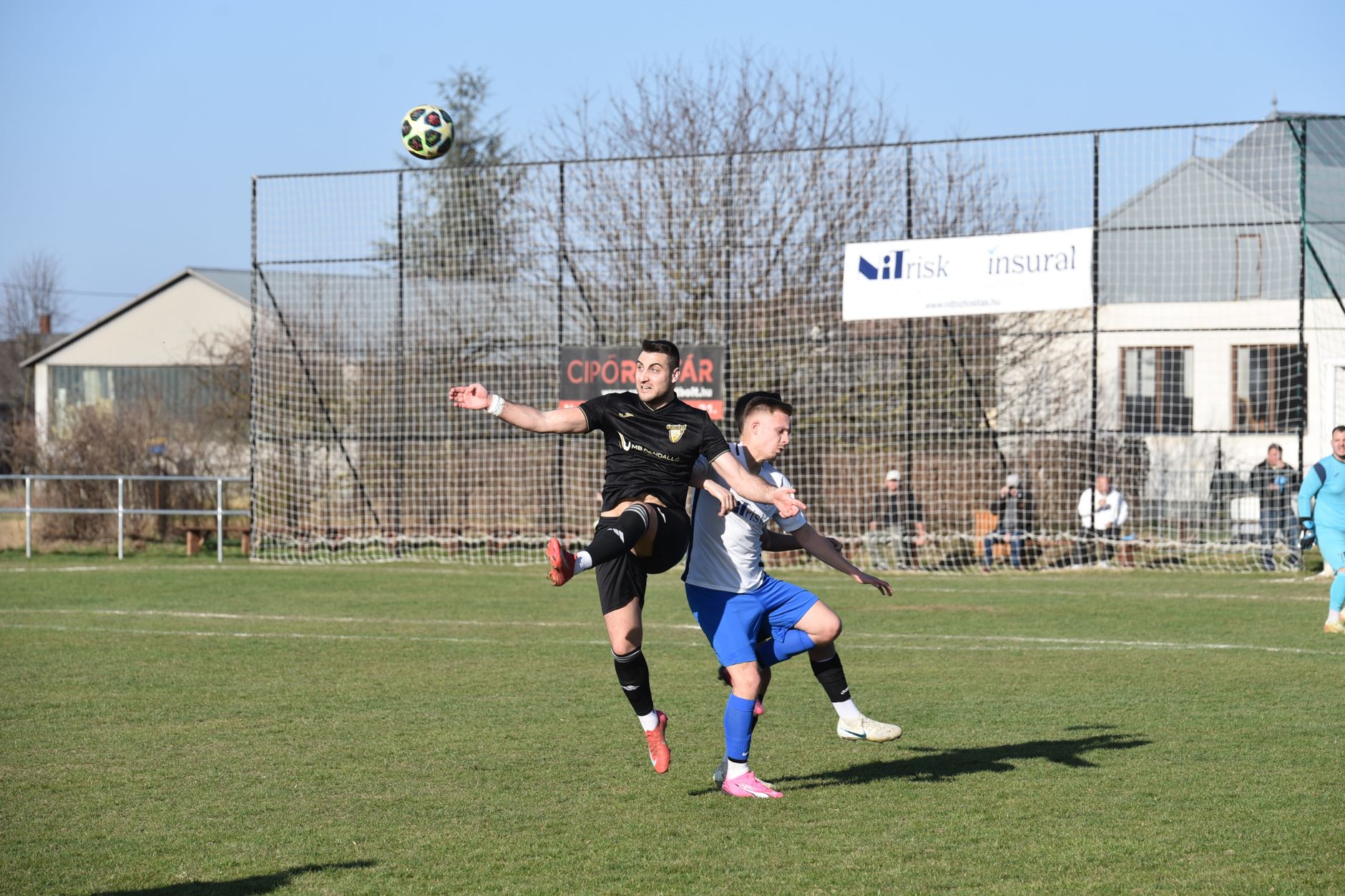
Photo by Zsolt Bodnár on Pexels
Round 2: Which Team Had the Stronger Tournament Position?
Austria held the stronger tournament position because second place produced direct knockout qualification, whereas Algeria had to qualify through the best-third-place comparison. However, both teams had the same 4 points and both remained unbeaten in this decisive head-to-head match, so the difference was route security rather than a large statistical gap.
Austria’s reward was a Round of 32 meeting with European champions Spain in Los Angeles. That is a severe test, but the second-place route gave Austria clarity immediately after the group stage. Marko Arnautovic supplied early attacking threat, Marcel Sabitzer added midfield penetration, and Kalajdzic delivered the moment that mattered most. Austria therefore carried a recognizably direct attacking profile into the knockout phase.
Algeria’s route led to Switzerland in Vancouver, British Columbia, according to the reported bracket. Riyad Mahrez was the central attacking figure with two goals, and Rafik Belghali’s equalizer prevented the match from being controlled entirely by Austria. Yet third place carries a psychological and analytical burden: the team qualifies, but every preview must explain why it ranked below the runner-up despite matching its points total.
For readers comparing the teams, use this order:
- Points: tied at 4.
- Record: tied at 1-1-1.
- Group position: Austria higher, Algeria third.
- Qualification certainty: Austria direct, Algeria conditional.
- Knockout opponent: Spain for Austria, Switzerland for Algeria.
This is also where World Cup knockout-stage qualification rules belongs in your research. Do not confuse a better opponent with a weaker team; Spain’s presence reflects Austria’s bracket position, not proof that Algeria was superior or inferior in every performance metric.
Round 3: What Do the Standings Reveal About Team Tactics?
The standings reveal two contrasting tactical identities: Austria relied on early pressure, central delivery, and late aerial danger, while Algeria depended more heavily on Mahrez’s creativity and improved attacking combinations after halftime. The 3-3 score confirms that both teams created enough threat to qualify, but it does not prove equal control across all 90 minutes.
Austria’s goals at minutes 28, 55, and 96 show how its threat appeared at different match stages. Arnautovic’s opener gave Austria a platform, Sabitzer’s goal restored control after halftime, and Kalajdzic’s header punished Algeria’s attempt to protect a narrow lead. The final goal is especially important for future analysis: when a team has a tall, physically strong forward available, defending the final six minutes requires more than retreating into a low block. Clearances, second balls, and delivery prevention must all be managed.
Algeria’s pattern was more fluid. Belghali equalized at the end of the first half, while Mahrez scored in the 60th and 93rd minutes, demonstrating both composure and late-game responsibility. I have watched enough tournament football to distrust the lazy claim that a star’s brace automatically means a complete team performance. Algeria still conceded three times, and that defensive volatility is more relevant to its Switzerland matchup than the emotional glow surrounding Mahrez’s late goal.
After reviewing the match data, my practitioner’s recommendation is to separate player impact from team stability:
- Measure goals and assists.
- Check when the goals arrived.
- Assess how the team defended after taking the lead.
- Compare the opponent’s likely aerial and transition threats.
- Review the bracket before making any prediction.
This method also helps with Algeria tactical analysis and player statistics, particularly when assessing whether Mahrez can repeatedly create decisive moments or whether opponents can isolate him.
Would you like a more structured way to compare knockout potential?

Photo by Youssef Samuil on Pexels
The Final Score & Who Should Pick What
The final score was Algeria 3-3 Austria, but Austria should be preferred when the question is “who achieved the stronger Group J standing?” Algeria should be preferred when the question is “which team showed the more influential individual attacking display?” For responsible match analysis, choose Austria for positional security and Algeria for creative upside, while acknowledging that both finished on 4 points.
That distinction is not wordplay. Austria’s second-place finish was operationally valuable because its qualification did not depend on comparing records across other groups. Algeria’s third-place finish was successful, but it demanded a broader ranking calculation and left less margin for unfavorable results elsewhere. In a knockout match, however, the previous position disappears quickly; Austria still had to face Spain, while Algeria faced Switzerland, and the opponent profile can matter more than one group-table line.
My final assessment is therefore:
- Best Group J standing: Austria.
- Most influential scorer: Riyad Mahrez.
- Most dramatic moment: Kalajdzic’s 96th-minute equalizer.
- Most important number: 4 points each.
- Biggest analytical warning: identical points do not guarantee identical qualification routes.
- Best research habit: verify points, position, goal difference, and bracket together.
Football Insights recommends treating this fixture as a case study in tournament mathematics, not simply a memorable 3-3 thriller. Check the official competition information, compare confirmed lineups, and never stake more than you can afford to lose. The match rewarded patience, but it punished anyone who assumed a late 3-2 score was the final story.
Explore the latest 2026 World Cup coverage before making your next comparison.
Frequently Asked Questions
Q: What are the Algeria national football team vs Austria national football team standings?
A: Algeria and Austria both finished the 2026 Group J finale with 4 points and 1-1-1 records after a 3-3 draw. Austria ranked second, while Algeria ranked third and qualified as one of the eight best third-placed teams. Argentina finished above them, and Iran was eliminated after the shared result protected both teams.
Q: How did Algeria and Austria qualify after drawing 3-3?
A: Austria qualified directly as Group J’s runner-up, while Algeria advanced through the best-third-place ranking. The decisive moment was Sasa Kalajdzic’s 96th-minute equalizer, which prevented Austria from losing and kept both teams on 4 points. Readers should check the complete group table and third-place comparison rather than relying only on the match score.
Q: What is the difference between Austria finishing second and Algeria finishing third?
A: Austria’s second-place finish secured its knockout position within Group J, whereas Algeria’s third-place finish required comparison with third-placed teams from other groups. Austria therefore had a more certain qualification route immediately after the final whistle. Algeria still advanced, but its qualification depended on the wider tournament ranking system.
Q: Who scored in the Algeria vs Austria 3-3 match?
A: Austria’s goals came from Marko Arnautovic, Marcel Sabitzer, and Sasa Kalajdzic, while Algeria’s scorers were Rafik Belghali and Riyad Mahrez, who scored twice. Arnautovic scored in the 28th minute, Belghali answered at 45 minutes, and Sabitzer struck in the 55th. Mahrez scored in the 60th and 93rd minutes before Kalajdzic equalized at 96 minutes.
Q: Which knockout opponents were reported for Algeria and Austria?
A: Austria was reported to face Spain in Los Angeles, while Algeria was reported to meet Switzerland in Vancouver, British Columbia. The opponents came from different bracket routes created by their Group J positions. Because tournament schedules can be updated, verify kickoff time, venue, and squad news through FIFA or the teams’ official channels.
Q: How should I analyze future Algeria or Austria matches?
A: Start with points and group position, then examine goal timing, defensive response after taking a lead, and the opponent’s tactical profile. For Algeria, monitor Mahrez’s creative influence and defensive stability; for Austria, examine set-piece defending and aerial threat around Kalajdzic. Use confirmed lineups and responsible staking limits rather than treating one dramatic result as a complete prediction model.
Q: Is the Algeria vs Austria standings information free to check?
A: Yes, basic standings and match results are generally free through FIFA, reputable sports media, and official tournament reporting. Detailed player models, advanced event data, or specialist previews may be provided by subscription platforms. Football Insights offers World Cup-focused analysis, but readers should always confirm final competition information from authoritative sources before acting on it.
Thank you for reading.
Football Insights · Strategic Archive